

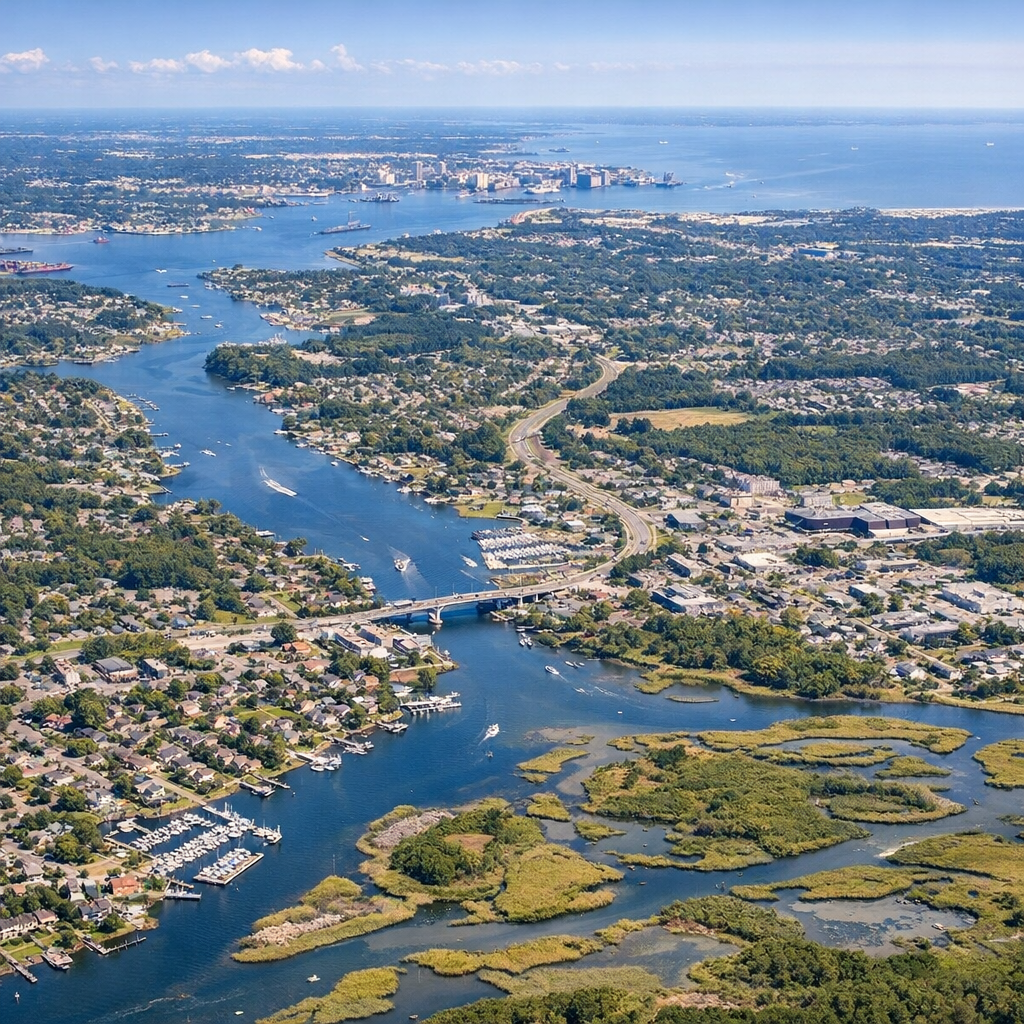
Climate change is increasingly affecting communities worldwide, and Chesapeake, Virginia, is no exception. Understanding these impacts is crucial for developing effective local strategies to mitigate and adapt to these changes.
Rising Temperatures and Extreme Weather
Chesapeake has experienced a noticeable increase in average temperatures over recent decades. This warming trend contributes to more frequent and intense heatwaves, posing health risks, especially to vulnerable populations. Additionally, higher temperatures can disrupt local ecosystems, affecting both plant and animal species.
Sea-Level Rise and Flooding
Situated near the coast, Chesapeake faces challenges from rising sea levels. The combination of climate-induced sea-level rise and land subsidence has led to increased flooding risks. This not only threatens infrastructure but also impacts natural habitats and water quality.
Local Initiatives and Adaptation Efforts
Recognizing these challenges, Chesapeake has implemented several initiatives to address climate change impacts:
Land Conservation Programs
The city administers programs aimed at preserving natural open spaces and agricultural lands. These efforts help maintain the region’s rural character and provide natural buffers against flooding.
Environmental Programs and Events
Chesapeake’s Environmental Programs division promotes activities focused on improving the local environment. Through outreach and education, the city encourages community involvement in conservation efforts.
State and Regional Collaboration
Virginia participates in the Chesapeake Bay Program, a regional partnership dedicated to restoring the Chesapeake Bay. This collaboration focuses on reducing pollution, protecting habitats, and addressing climate change impacts.
Community Involvement
Residents play a vital role in combating climate change. Participating in local environmental programs, supporting conservation initiatives, and staying informed about climate issues are essential steps toward building a resilient community.
By understanding the specific impacts of climate change in Chesapeake and actively engaging in mitigation and adaptation efforts, the community can work together to protect its environment and ensure a sustainable future.