

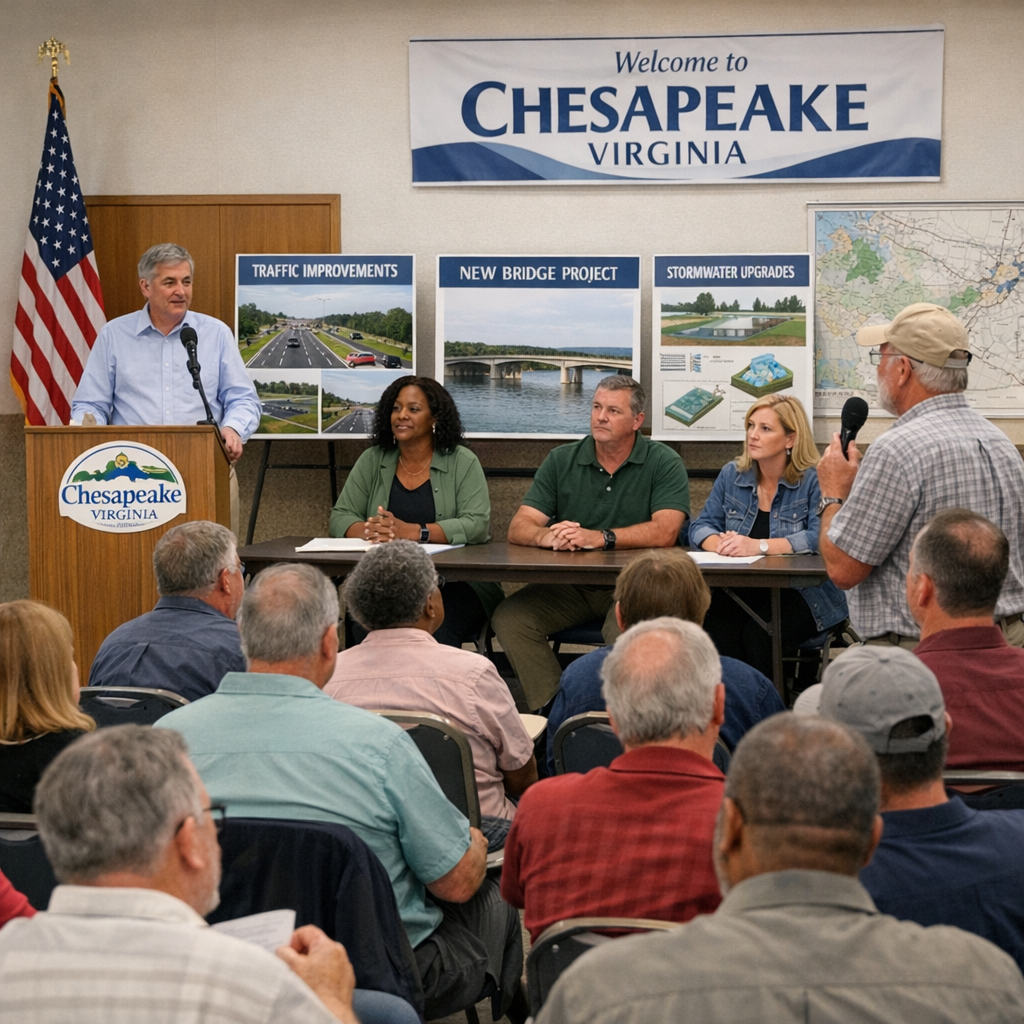
As national infrastructure projects expand, communities like Chesapeake, Virginia, find themselves at the crossroads of progress and preservation. Recent developments have sparked local debates, reflecting broader national conversations about environmental justice and community well-being.
Natural Gas Compressor Station Approval
In March 2026, the State Corporation Commission approved Virginia Natural Gas’s plan to construct a $90 million compressor station in Chesapeake. This facility aims to maintain natural gas pressure and flow, ensuring reliable service during peak demand periods. However, the decision has been met with significant opposition from environmental groups and residents of nearby historically Black neighborhoods, such as Crestwood and Eva Gardens. Concerns center around potential pollution, noise, and the cumulative environmental burden on these communities. Despite assurances that the station will utilize electric motors to minimize emissions, residents remain apprehensive about the project’s impact on their health and environment.
Community Opposition to Data Centers
Similarly, Chesapeake residents have expressed resistance to proposed data centers in their vicinity. These facilities, essential for supporting the nation’s digital infrastructure, often bring concerns about noise pollution, increased energy consumption, and environmental degradation. In July 2025, community members organized meetings to voice their opposition, highlighting the potential adverse effects on residential areas and questioning the placement of such projects near homes and schools. The debate underscores the tension between technological advancement and maintaining the quality of life in local communities.
Environmental Justice Considerations
The approval of the compressor station and the proposal of data centers have intensified discussions about environmental justice in Chesapeake. Reports indicate that within a five-mile radius of the proposed compressor station site, numerous low-income and minority communities could be disproportionately affected. The presence of existing pollution sources, including coal ash sites and Superfund locations, exacerbates these concerns. Residents and advocacy groups argue that the cumulative impact of these projects contributes to a pattern of environmental injustice, placing undue burdens on vulnerable populations.
Looking Ahead
As Chesapeake navigates these developments, the community continues to engage in dialogue with policymakers, developers, and environmental organizations. The goal is to find a balance that accommodates national infrastructure needs while preserving the health, heritage, and well-being of local residents. These conversations reflect a broader national challenge: integrating progress with equity and environmental stewardship.