

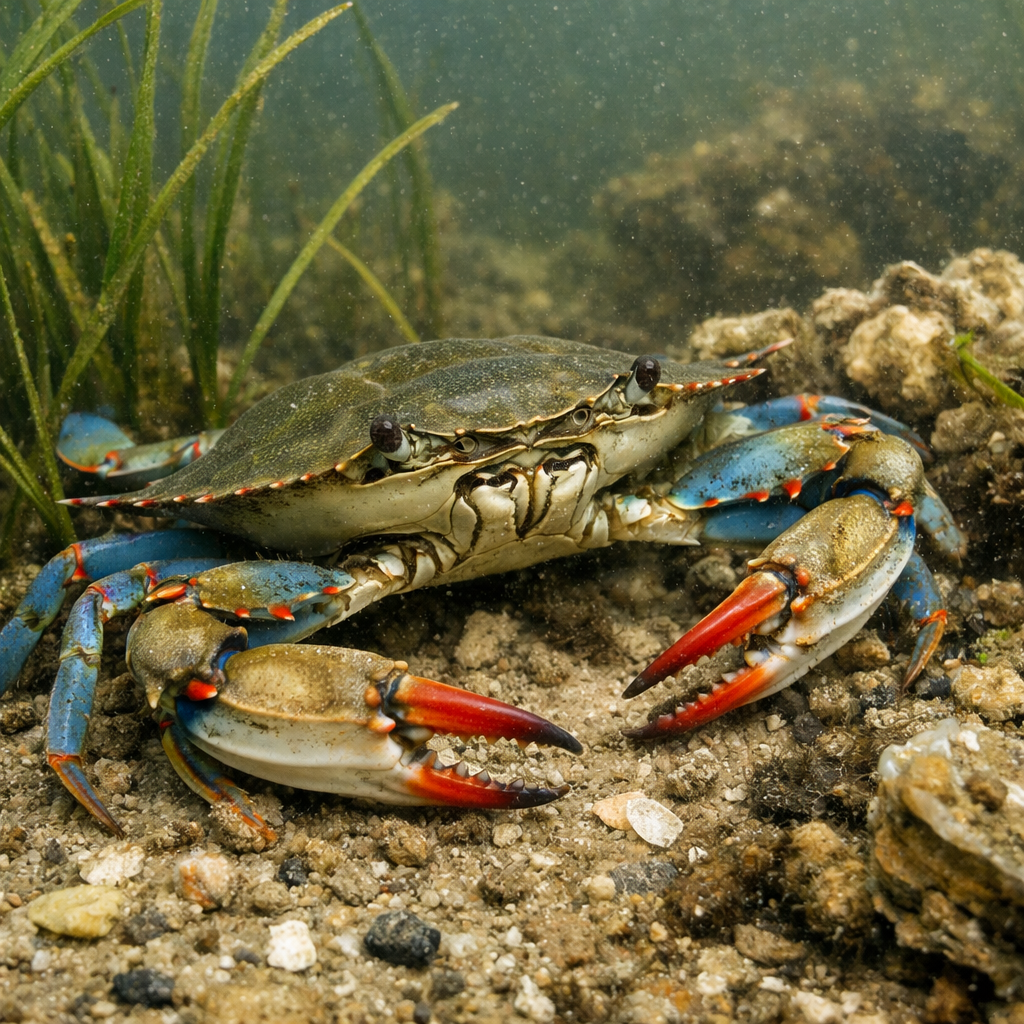
The Chesapeake Bay, a vital estuary for both the environment and the economy, is experiencing a significant decline in its blue crab population. Recent surveys indicate that the number of blue crabs has dropped to near-record lows, prompting concerns among scientists, environmentalists, and local communities.
Understanding the Decline
Blue crabs are integral to the Chesapeake Bay’s ecosystem, serving as both predator and prey. Their decline can disrupt the food web, affecting various species and the overall health of the bay. Factors contributing to this downturn include:
- Overfishing: Increased harvesting pressures have reduced crab numbers.
- Habitat Loss: Degradation of underwater grasses and wetlands diminishes crucial breeding and nursery grounds.
- Water Quality Issues: Pollution and nutrient runoff lead to hypoxic zones, making habitats uninhabitable for crabs.
Implications for Chesapeake Communities
For residents of Chesapeake, Virginia, the blue crab decline is more than an environmental issue; it’s an economic and cultural concern. The local fishing industry, which relies heavily on blue crab harvests, faces potential financial hardships. Additionally, the cultural heritage tied to crabbing traditions is at risk.
Conservation Efforts and Community Involvement
Addressing this crisis requires a multifaceted approach:
- Regulatory Measures: Implementing and enforcing sustainable fishing practices to prevent overharvesting.
- Habitat Restoration: Initiatives to restore underwater grasses and wetlands to provide suitable habitats for crabs.
- Pollution Control: Reducing nutrient runoff through improved agricultural practices and wastewater treatment.
Community involvement is crucial. Residents can participate in local conservation programs, support policies aimed at protecting the bay, and engage in sustainable practices to reduce pollution.
Looking Ahead
While the current situation is concerning, concerted efforts from government agencies, environmental organizations, and local communities can help reverse the decline. By prioritizing the health of the Chesapeake Bay and its blue crab population, we can ensure the sustainability of this vital resource for future generations.